FACE/NECK LIFT
A neck lift, or lower rhytidectomy, is a surgical procedure that improves the visible signs of aging in the jawline and neck region. This includes: excess fat and skin relaxation in the lower face that creates jowls, excess fatty deposits under the chin, loose neck skin and muscle banding in the neck which has resulted in abnormal contours.
A facelift is a surgical procedure that can help to decrease sagging in the midface and lessen deep creases or wrinkles of the face. This procedure is designed to make you look younger. As a result you can look and feel better.
The loss of youthful contours in the face and neck can be due to a variety of factors including heredity, gravity, environmental conditions and stress. When the region of the neck does not match the overall appearance of the face, a neck lift may be a good solution.
During the procedure, Dr. Villalobos often times makes an incision that begins in the hairline that continues down and around the ear. The tissue underlying the neck skin is then repositioned and tightened. During the initial consultation a thorough examination will take place and best possible treatment options will be discussed.
DO I NEED A NECK LIFT?
How do you know if you are a good candidate for a Neck Lift? Generally speaking, patients whose self image and appearance is affected by hanging tissues under the chin are potentially candidates for a Neck Lift. It is not necessarily age dependent. Young patients that have tight skin and muscles with a bit of extra fat can benefit from Liposuction or non-surgical treatments like Kybella. If genetically determined neck structure causes premature neck contour irregularities, then a Neck Lift may be a good solution for a younger patient. As we age, our neck skin can loosen, fat can accumulate, and the Platysma neck muscle can loosen causing banding or lines under the chin. This is what causes the characteristic “Turkey Neck” that so many patients hate. A Neck Lift is the most effective treatment for this problem because it addresses each of these problems by removing the excess fat, tightening the muscle and tightening the skin to restore a youthful contour to the neck.
ARE THERE ANY NON-SURGICAL ALTERNATIVES TO A NECK LIFT?
There are a number of non-surgical, energy based treatments being advertised as alternatives to a Neck Lift. These treatments all use some type of energy such as ultrasound, radio-frequency, infra-red light, or laser to stimulate tightening of collagen fibers in the skin and below the skin. They have been shown in studies to tighten the skin, but nowhere near as good as a Neck Lift. The other problem with many of these treatments is that they do not address the looseness of the muscle. This can lead to an unfavorable result even though the skin was tightened. Additionally if the fat in the neck is indiscriminately heated as is being done with some radio-frequency devices while trying to tighten the neck, it can lead to atrophy of the fat and unmasking of neck bands. This can be a permanent problem that surgery can no longer correct. In sum, most of these treatments are generally safe, somewhat expensive, but not super effective.
HOW LONG IS RECOVERY AFTER A NECK LIFT?
The recovery after a necklift is quite short. Facelift recovery usually includes bruising and swelling that will subside in 2-3 weeks. You will go home wearing an ace wrap that will stay on for a week. You can carefully wash the face and around the incisions starting the 2nd day post op with a gentle cleanser. The incisions will have sutures that typically come out after 1 week. Once the swelling goes down and the incisions heal you will be left with hidden scars behind the ears and a firmer, tighter appearance. Within 1-1.5 weeks your swelling and bruising has improved enough that with makeup you will be able to go out. In two weeks you will feel pretty good and in three weeks you can go to any social function without feeling self-conscious. Bruising can vary from person to person, but it is usually very minimal after a Neck Lift.
What Is a Facelift?
A traditional facelift surgically addresses the deeper structures of the face, including the SMAS (superficial musculoaponeurotic system) layer beneath the skin. This procedure targets skin laxity and underlying tissue descent, creating improvements that extend well beyond what non-surgical treatments can achieve.
The surgery focuses on repositioning tissues to their youthful positions rather than simply stretching skin, producing natural-looking results that avoid the “pulled” appearance associated with outdated techniques.
What a Facelift Treats: Areas of Focus
A traditional facelift targets key regions of the face, primarily the mid-face and lower face. The procedure elevates the cheeks to soften nasolabial folds and defines the jawline to reduce the appearance of jowls.
Depending on individual needs, patients interested in a comprehensive facial rejuvenation may consider combining their facelift with complementary procedures such as eyelid surgery, brow lift, or neck lift.
Types of Facelifts: Traditional, Mini, and Deep Plane
Facelift options vary based on the extent of correction required:
- A traditional facelift addresses moderate to severe signs of aging by tightening skin and the deeper facial tissues.
- Mini facelifts focus on mild to moderate laxity primarily in the lower face and involve shorter recovery periods.
- The deep plane facelift separates and repositions deeper layers of muscle and tissue for longer-lasting outcomes.
Determining which technique suits an individual’s facial anatomy and goals is best done through consultation.
Ideal Candidates for Facelift Surgery
Suitable candidates typically include:
- Individuals with moderate to advanced facial sagging
- Patients in good overall health
- Non-smokers or those willing to quit smoking before and after surgery
- People with realistic expectations about surgical outcomes
- Those seeking long-term facial rejuvenation solutions
Age alone does not determine candidacy. Some patients in their 50s benefit significantly from facelift surgery, while others may not need intervention until their 60s or 70s. Individual aging patterns and personal goals guide treatment timing more than chronological age.
The Facelift Procedure
Facelift surgery typically requires 3-5 hours under general anesthesia. The procedure begins with carefully planned incisions that follow natural facial contours, starting at the temples and continuing around the ears before extending into the hairline. These incision patterns allow comprehensive tissue access while keeping scars well-concealed.
The surgeon then separates skin from underlying tissues and addresses the SMAS layer, repositioning these deeper structures to create lift and support. Excess skin is removed, and incisions are closed in layers using techniques that minimize tension on the skin edges. This meticulous closure approach promotes optimal healing and reduces visible scarring.
Throughout the procedure, attention focuses on maintaining natural facial proportions and preserving important anatomical landmarks. The aim is to achieve a rejuvenated appearance that retains the patient’s natural facial characteristics while restoring youthful contours.
Recovery Timeline and Results
Initial recovery involves swelling and bruising that peaks within the first few days and gradually subsides over two to three weeks. Most patients return to work and normal activities within 10-14 days, though strenuous exercise and heavy lifting remain restricted for 4-6 weeks.
Sutures are typically removed within 7-10 days, and patients can usually resume most daily activities at this point. The healing process continues for several months, with final results becoming apparent as swelling completely resolves and tissues settle into new positions.
Facelift results typically last 10-15 years, though individual factors such as genetics, skin quality, and lifestyle choices influence longevity. Proper sun protection and skincare help maintain results over time.
Facelift Surgery Cost in Columbus, OH
Facelift surgery costs vary based on the procedure type, complexity, and any additional treatments performed. For a detailed breakdown of pricing and available options, visit our pricing page. Financing plans are offered to qualified patients to assist with managing the investment in your care.
Why Choose Columbus Institute of Plastic Surgery
Columbus Institute of Plastic Surgery offers board-certified plastic surgeons with extensive experience in facial rejuvenation procedures. Dr. Bivik Shah and Dr. Alexandre Prassinos utilize advanced surgical techniques developed through years of training and practice, focusing on natural-looking results that enhance rather than alter each patient’s unique features.
The practice provides comprehensive consultation processes that include detailed examination, discussion of goals and expectations, and thorough explanation of surgical options. This educational approach helps patients make informed decisions about their care. The Columbus facility features state-of-the-art surgical suites and recovery areas for patient comfort and safety.
Gallery
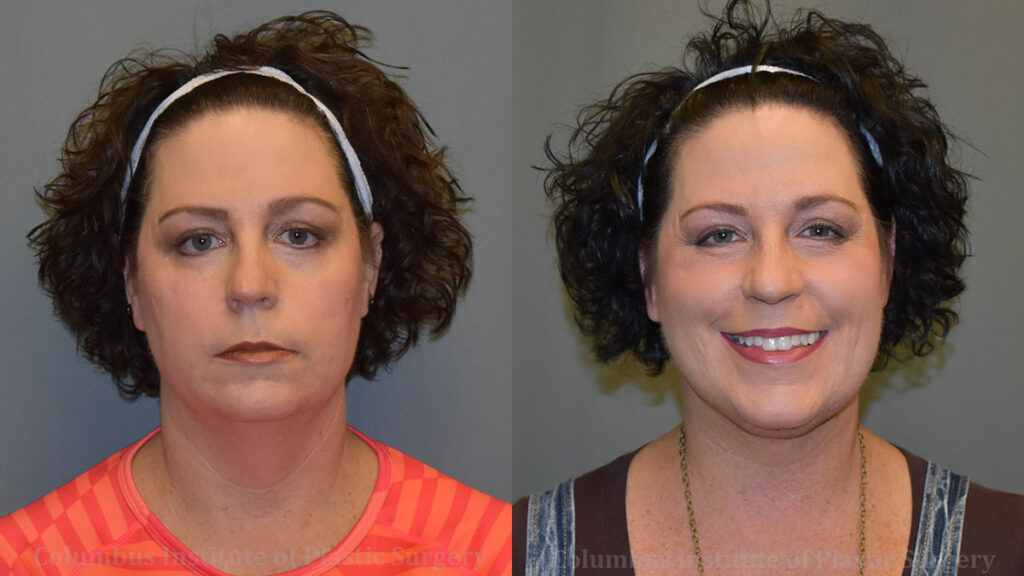
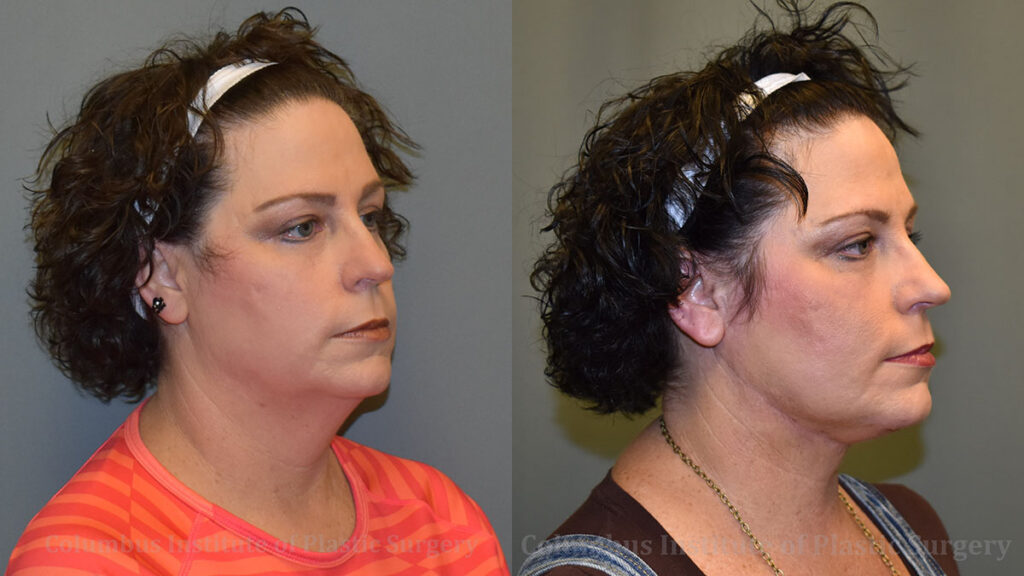
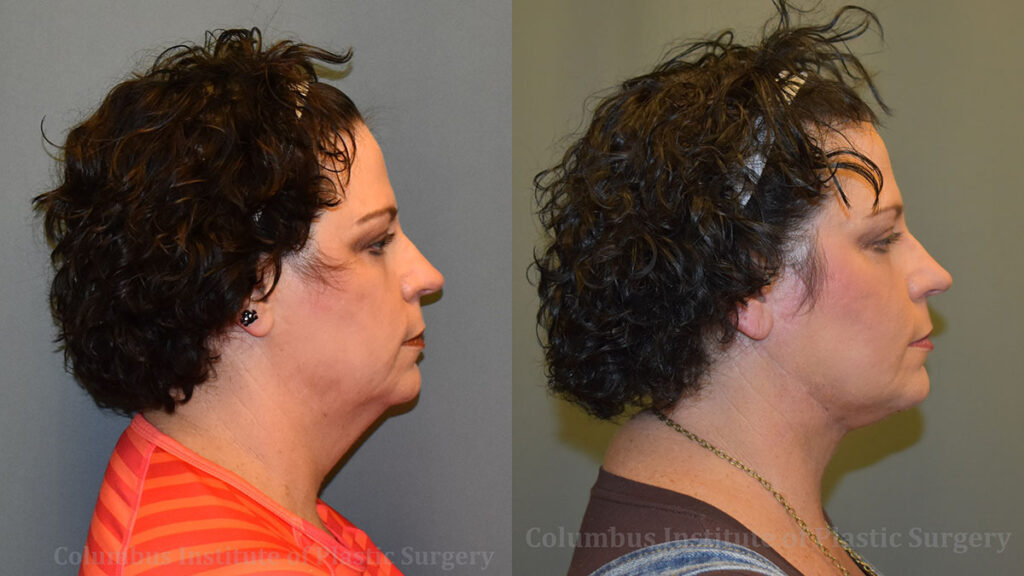
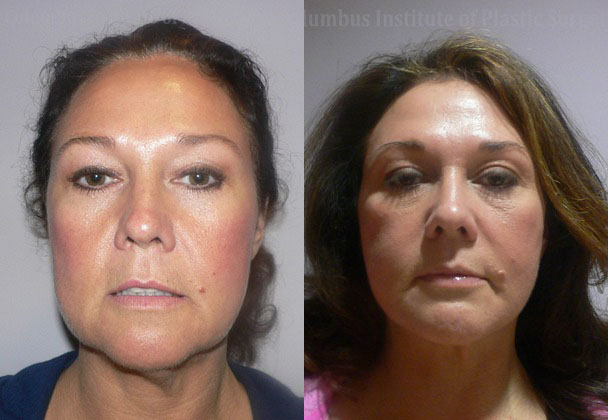
Procedure:Suture Necklift
Age:47
Gender:Female
Post-Op Photos Taken:1 week
This is a 47-year-old woman from Marion, Ohio who was in search of options for contouring her neckline. She found top plastic surgeon Dr. Bivik Shah here at The Columbus Institute of Plastic Surgery She had a procedure called the Suture Neck Lift. This is a very simple procedure, that is performed awake and recovery is only a few days!!. She looks fantastic, and is enjoying her stunning new neck profile. She is shown here before and just 1 week following surgery.
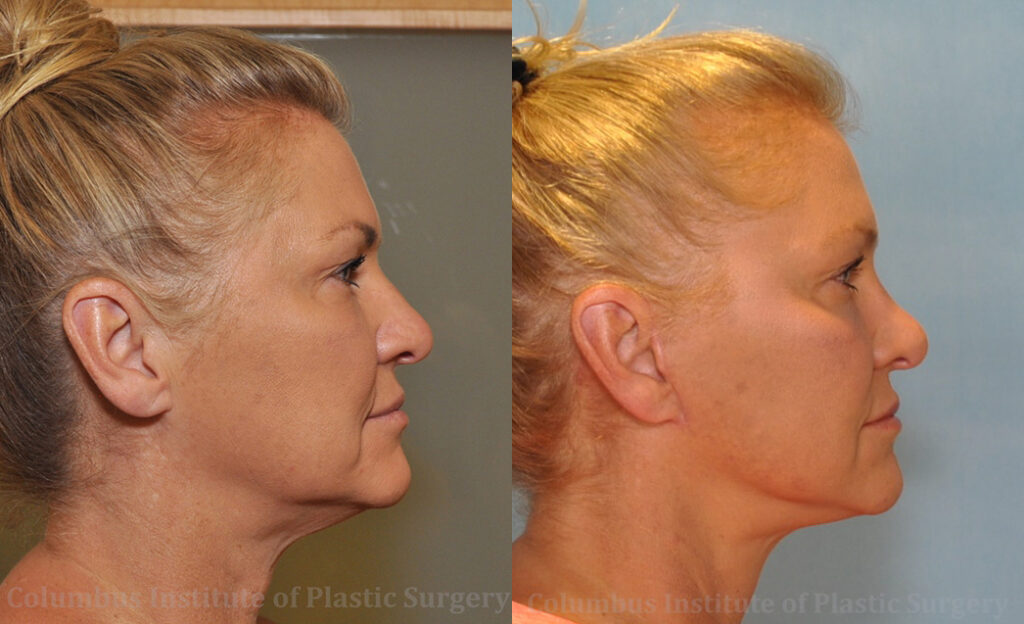
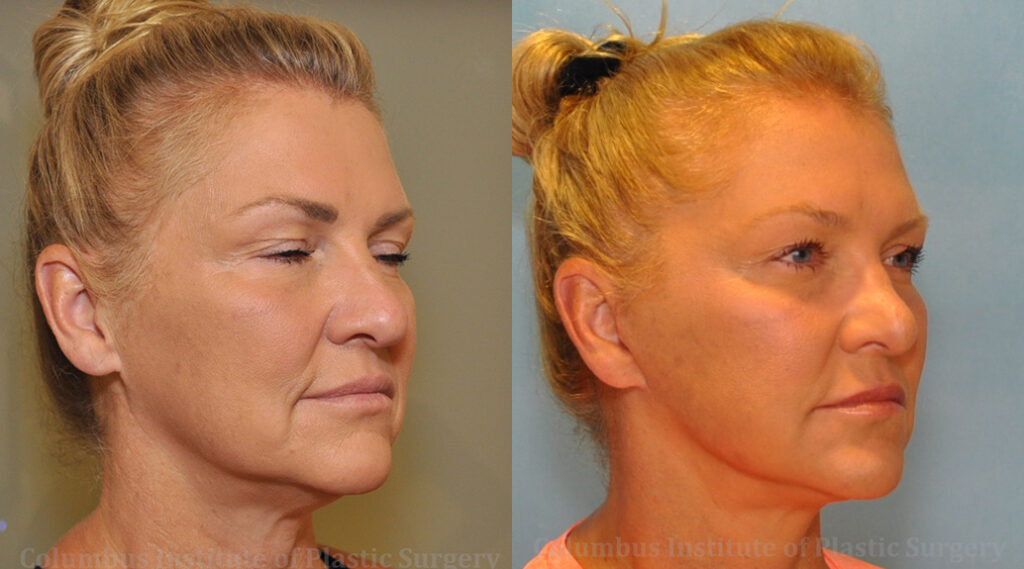
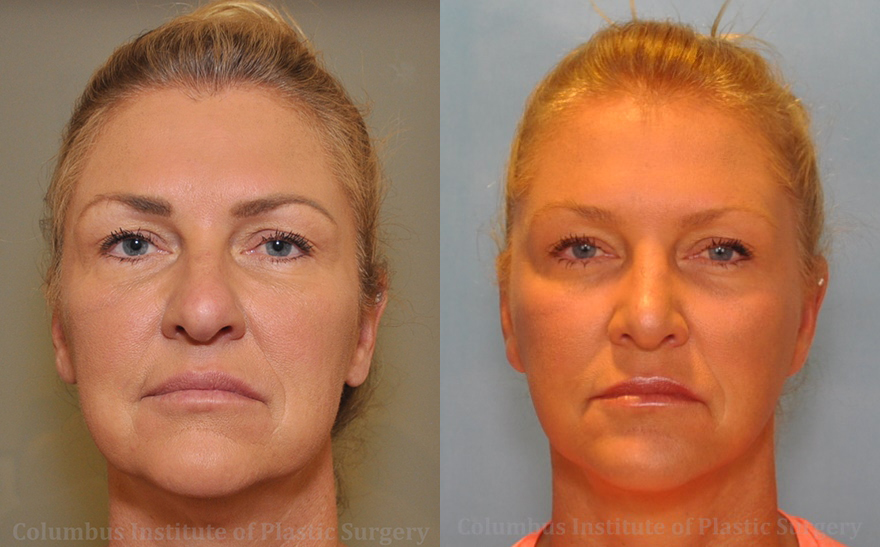
Procedure:Mini Facelift
Age:49
Gender:Female
Post-Op Photos Taken:2 and ½ months
This is a 49 year old woman who wanted improvement to the lower face with a minimal recovery and scarring. The plastic surgeon, Dr. Bivik Shah, at the Columbus Institute of Plastic Surgery in Ohio, performed a mini facelift. This means the scar is very minimal, barely noticeable, and recovery of only a few days. The photos are 2 and ½ months after surgery.
Procedure:Full Facelift
Age:55
Gender:Female
Post-Op Photos Taken:10 weeks
This patient is a 55-year-old woman from Lancaster, Ohio who came to The Columbus Institute of Plastic Surgery for a Facelift Surgery with top Plastic Surgeon, Dr. Bivik Shah. She became interested in this procedure as gravity proved to take a toll on the facial skin elasticity over the years. The incision is made along the ear and is difficult to see once it is fully healed. She is pictured here before and 10 weeks after surgery.